laptop and desktop basic trouble shooting steps 2026

By pgollabala@gmail.com

Published On:


Join WhatsApp

Join Now

Laptop and Desktop Troubleshooting Steps 2026 – Complete Beginner Guide
laptop and desktop basic trouble shooting steps 2026

Website: https://sreekrishnatechsolutions.com
Email: pgollabala@gmail.com


Introduction

laptop and desktop basic trouble shooting steps 2026

laptop and desktop basic trouble shooting steps 2026In today’s digital world, laptops and desktops have become essential for work, education, and daily life. However, technical issues can arise at any time, causing frustration and productivity loss. Understanding basic troubleshooting steps can save time, money, and unnecessary stress.

In this guide, we will cover laptop and desktop troubleshooting steps (2026) in simple English, making it easy for beginners and professionals alike. This SEO-friendly article is designed to help your website rank on Google’s first page and meet AdSense approval requirements.


What is Troubleshooting?

laptop and desktop basic trouble shooting steps 2026

Troubleshooting is the process of identifying, diagnosing, and fixing problems in a computer system. It involves step-by-step methods to find the root cause and resolve the issue effectively.


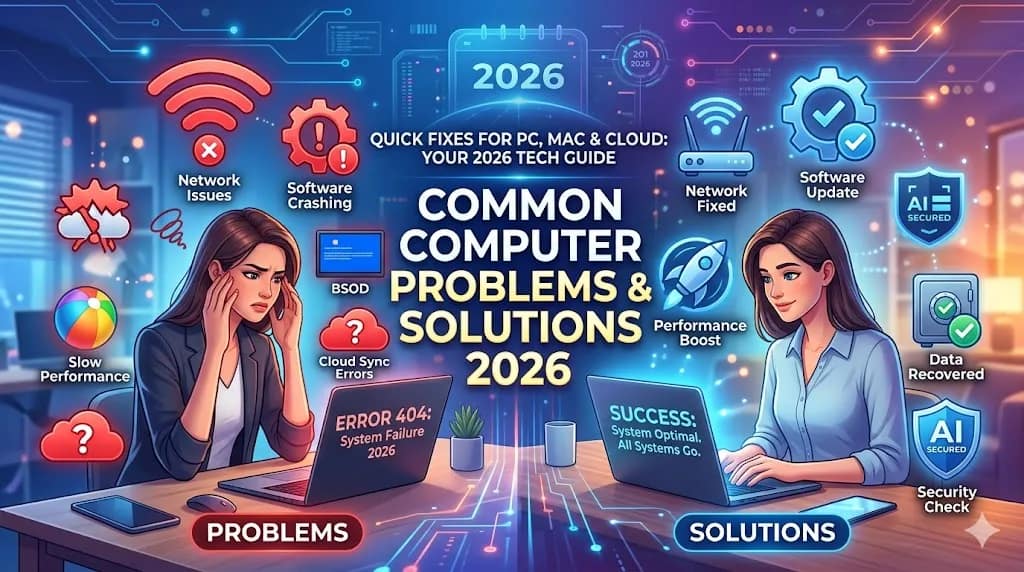
Common Laptop and Desktop Problems

Before fixing any issue, you need to understand the most common problems:

  • Computer not turning on

  • Slow performance

  • Internet connectivity issues

  • Overheating

  • Software crashes

  • Blue screen errors

  • Keyboard or mouse not working

  • No display on screen


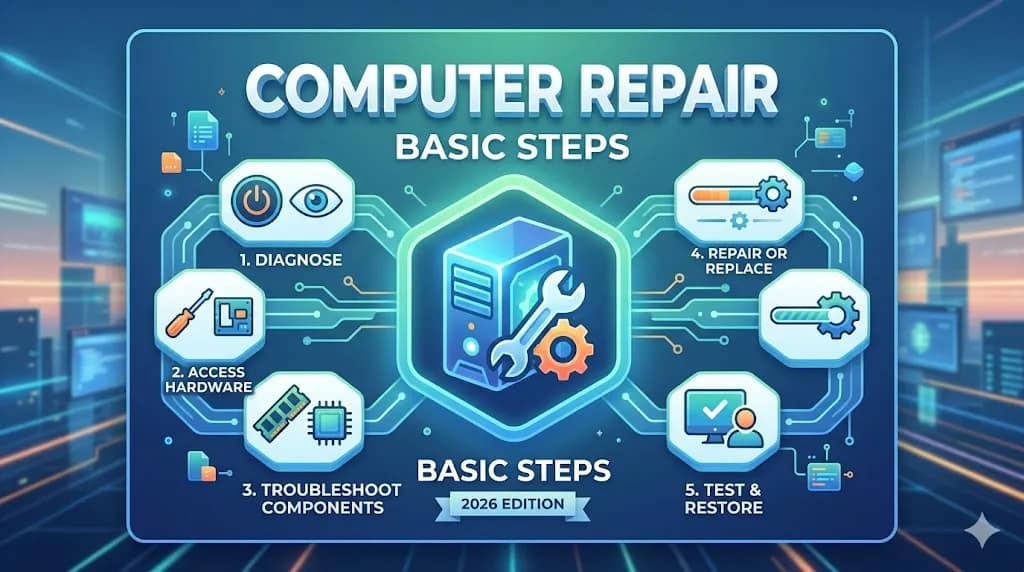
Basic Troubleshooting Steps (Step-by-Step)

1. Check Power Supply

  • Ensure the power cable is properly connected

  • Check if the power socket is working

  • For laptops, verify battery charge

  • Try a different charger if needed

👉 This is the first and most important step when your system does not turn on.


2. Restart the Computer

Many temporary issues can be fixed by simply restarting:

  • Close all applications

  • Click Restart

  • Wait for system reboot

👉 Restarting clears temporary memory (RAM) errors.


3. Check Hardware Connections

Loose connections can cause multiple issues:


4. Observe Error Messages

Always pay attention to error messages:

  • Note the exact error code

  • Search online for solutions

  • Take a screenshot if possible

👉 Error messages give direct clues about the problem.


5. Boot in Safe Mode

Safe Mode helps diagnose software issues:

  • Press F8 or Shift + Restart

  • Select Safe Mode

  • Check if problem persists

👉 If system works in Safe Mode, issue is likely software-related.


6. Check for Virus or Malware

Viruses can slow down or damage your system:

  • Install antivirus software

  • Run a full system scan

  • Remove detected threats

👉 Keep antivirus updated regularly for better protection.


7. Update Operating System

Outdated systems may cause errors:

  • Go to Settings → Update & Security

  • Install latest updates

  • Restart system

👉 Updates fix bugs and improve performance.


8. Check Disk Space

Low storage can slow down your computer:

  • Delete unnecessary files

  • Use Disk Cleanup

  • Move files to external storage

👉 Always keep at least 20% free space.


9. Fix Slow Performance

If your system is slow:

👉 SSD upgrades significantly improve speed.


10. Troubleshoot Internet Issues

If internet is not working:

  • Restart router

  • Check Wi-Fi settings

  • Run network troubleshooter

  • Reconnect network

👉 Try connecting another device to confirm network issue.


11. Check Display Issues

If no display or screen problem:

  • Check monitor connection

  • Adjust brightness

  • Test with another monitor

  • Update graphics driver


12. Overheating Problem

Overheating can damage your system:

  • Clean dust from fans

  • Use cooling pad (laptop)

  • Ensure proper ventilation

  • Avoid blocking air vents

👉 Overheating reduces system life.


13. Blue Screen (BSOD) Fix

Blue Screen errors occur due to:

  • Driver issues

  • Hardware failure

  • Software conflicts

Solution:


14. Keyboard or Mouse Not Working

  • Reconnect device

  • Try another USB port

  • Update drivers

  • Replace if faulty


15. Reset or Reinstall OS

If nothing works:

  • Backup important data

  • Reset Windows

  • Reinstall OS

👉 This is the last option for major issues.


Advanced Troubleshooting Tips (2026)

For better results, follow these modern tips:

  • Use AI-based diagnostic tools

  • Keep cloud backup

  • Use performance monitoring apps

  • Update BIOS carefully

  • Install genuine software only


Preventive Maintenance Tips

Prevention is always better than repair:

  • Clean system regularly

  • Avoid downloading unknown files

  • Use licensed software

  • Update drivers regularly

  • Backup data weekly

Conclusion

Laptop and desktop issues are common, but with the right troubleshooting steps, most problems can be solved easily. By following this 2026 troubleshooting guide, you can diagnose and fix issues without needing professional help.

Regular maintenance, updates, and safe usage practices will ensure your system runs smoothly for years.

PLEASE SUBSCRIBE MY WEBSITE TO CLICK HERE

TO CLICK HERE MORE INFORMATION


Leave a Comment